Decentralized Finance Gains Traction as Traditional Banking Faces Disruption
Issue Summary
The recent surge in interest and adoption of decentralized finance (DeFi) platforms has highlighted a growing trend in the cryptocurrency market towards disintermediation and financial democratization. DeFi protocols, offering a wide range of services from lending and borrowing to decentralized exchanges, are challenging the traditional banking sector by providing users with a more open, transparent, and inclusive financial ecosystem. This shift is not merely a temporary fad but represents a fundamental transformation in how individuals engage with financial services, bypassing centralized institutions in favor of peer-to-peer interactions facilitated by blockchain technology.
The rise of DeFi has been fueled by the increasing awareness of the limitations and inefficiencies of traditional banking systems, especially in terms of accessibility, transparency, and cost. By leveraging smart contracts and blockchain technology, DeFi platforms offer users greater control over their assets, reduced counterparty risk, and the ability to participate in a wide array of financial activities without the need for intermediaries. This shift towards decentralized financial services signifies a paradigm shift in the broader financial landscape, where individuals are empowered to manage their wealth autonomously and without reliance on legacy institutions.
The implications of this trend are profound for the cryptocurrency market as a whole. DeFi projects, such as decentralized exchanges, lending protocols, and yield farming platforms, have experienced exponential growth in recent months, attracting billions of dollars in total value locked (TVL). This influx of capital into DeFi signifies a growing confidence in these innovative solutions and a willingness to explore alternative financial models beyond the traditional banking system.
Furthermore, the disruption caused by DeFi to traditional banking institutions has sparked debates and regulatory scrutiny regarding the future of finance. Regulators are grappling with the complexities of overseeing decentralized platforms that operate outside the traditional regulatory framework, raising questions about investor protection, financial stability, and compliance with existing laws. As DeFi continues to evolve and expand its reach, regulatory clarity will be crucial to ensure the sustainable growth of this sector while mitigating potential risks associated with its decentralized nature.
In conclusion, the rise of decentralized finance represents a significant milestone in the evolution of the cryptocurrency market, signaling a shift towards a more decentralized, transparent, and accessible financial ecosystem. While challenges and regulatory hurdles remain, the momentum behind DeFi projects underscores a growing demand for alternative financial services that prioritize user autonomy and innovation over traditional intermediation.
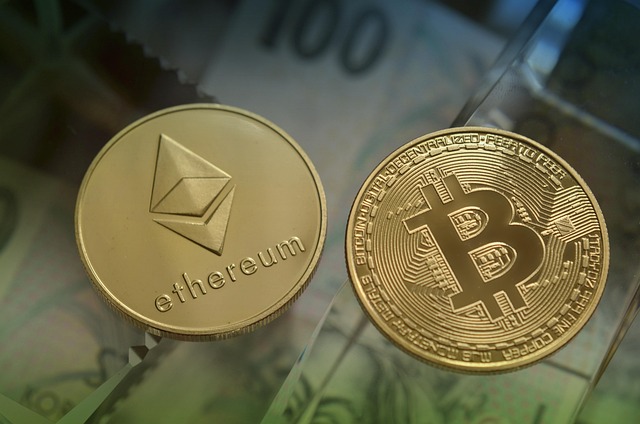
Sentiment Analysis
The sentiment towards the market is positive, reflecting excitement and optimism about the transformative potential of decentralized finance. (Sentiment Score: 80)
Technical Summary
Decentralized finance relies on blockchain technology and smart contracts to facilitate peer-to-peer transactions, lending, borrowing, and trading without the need for intermediaries. Smart contracts enable the automation of financial agreements, ensuring trustless interactions and reducing the risk of fraud or manipulation. DeFi platforms often operate on Ethereum or other blockchain networks, leveraging the security and transparency of distributed ledger technology to empower users with greater financial autonomy.
Background
The emergence of decentralized finance can be traced back to the early days of blockchain technology and the vision of creating a more inclusive and transparent financial system. DeFi protocols have gained traction in recent years due to the inefficiencies and limitations of traditional banking systems, such as high fees, slow transaction speeds, and lack of accessibility for underserved populations. The decentralized nature of DeFi platforms offers users a new paradigm of financial services that prioritize decentralization, transparency, and security, challenging the traditional banking model and sparking debates on the future of finance.
Trend
The growing interest in decentralized finance is interconnected with broader market trends that emphasize the importance of financial autonomy, transparency, and innovation. This trend aligns with the increasing demand for decentralized applications and services that offer users greater control over their financial activities and assets. Furthermore, the rise of DeFi projects underscores a shift towards more efficient, inclusive, and accessible financial services, challenging the dominance of traditional banking institutions in the market.
Outlook
Looking ahead, the future of the cryptocurrency market is likely to be shaped significantly by the continued growth and innovation in decentralized finance. As DeFi projects expand their offerings and user base, regulatory challenges and scalability issues may pose hurdles to the mainstream adoption of these platforms. However, the potential for DeFi to revolutionize the financial landscape by providing accessible, transparent, and efficient services cannot be underestimated. Investors and industry participants should closely monitor regulatory developments and technological advancements in the DeFi space to navigate the evolving market landscape effectively.