Shifts in Financial Paradigms: Reassessing the Security Landscape of Digital Assets
Issue Summary
The recent developments in the cryptocurrency market signify more than isolated incidents; they unveil profound transformations in the foundational structures that underpin digital asset security and investor trust. As blockchain technologies continue to evolve, we are witnessing a fundamental re-evaluation of risk frameworks among participants in this rapidly maturing ecosystem. The events surrounding systemic breaches in security protocols serve as a catalyst for a broader introspection into the integrity and resilience of decentralized infrastructures.
The implications of such breaches extend beyond immediate financial losses; they challenge the very paradigm of decentralization that cryptocurrencies stand for. Investors, increasingly aware of their exposure to security vulnerabilities, are compelled to reassess their strategies, which could lead to heightened demand for more robust security measures and a reconsideration of risk profiles across investment portfolios. This reflexivity will likely spur the creation of enhanced security protocols and insurance solutions tailored for digital assets, addressing the growing unease among institutional investors.
Moreover, these incidents can alter the dynamics of liquidity in the market. The traditional methods of risk assessment are being upended, forcing market participants to look towards developing technologies that can offer a greater sense of security and assurance. The evolution of security-focused blockchain ecosystems may very well be the next frontier, as stakeholders seek platforms that not only promise decentralization but can substantiate it with demonstrable security assurances.
The road ahead will necessitate a rigorous examination of systemic vulnerabilities in both existing frameworks and nascent projects. It is anticipated that upcoming regulatory scrutiny will intensify, leading to an imperative for projects to adopt higher standards of accountability and transparency. This could ultimately foster a more resilient crypto market, equipped to withstand shocks while protecting investor interests.
In light of these dynamics, the resilience of the blockchain ecosystem will be measured not just by its technological sophistication but by its capacity to adapt and reinforce security measures in real-time. Consequently, the next wave of innovation is likely to be driven by collaborative efforts between developers, investors, and regulatory bodies, pushing towards a security-first approach that could reshape the landscape of digital asset investments for the foreseeable future.
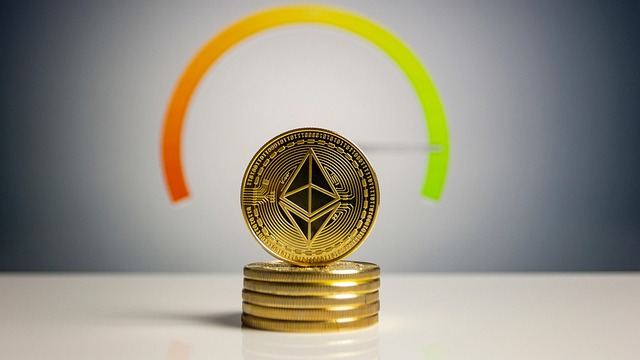
Sentiment Analysis
Negative. The recent events surrounding security breaches have stirred significant concern among investors regarding the reliability of blockchain ecosystems, impacting overall market sentiment and trust.
Sentiment Score: 35/100
Technical Summary
A deep dive into the technical mechanics reveals that security breaches often stem from vulnerabilities within smart contracts, consensus mechanisms, or network architecture. As we analyze recent incidents, it becomes evident that a re-engineering of smart contract logic, inclusive of fail-safes and audit trails, is paramount. Protocols should incorporate advanced cryptographic techniques such as zero-knowledge proofs to enhance transaction privacy without compromising security. Furthermore, adopting formal verification processes can mitigate risks associated with code errors, thus fostering a more secure environment for asset transactions.
Background
In the macro-economic context, the persistent uncertainties stemming from global liquidity fluctuations, exacerbated by shifting Federal Reserve policies, have created a backdrop where investor behavior is increasingly risk-averse. Geopolitical tensions and regulatory shifts across various jurisdictions are further compounding this environment of caution. The intersection of these factors illustrates a critical juncture for the cryptocurrency market, where the need for robust security measures becomes paramount in maintaining investor confidence amidst a landscape of potential disruption.
Trend
This event is intricately tied to the broader market trend of evolving security protocols in blockchain ecosystems, particularly as institutional participation increases. There is a burgeoning demand for Layer 2 solutions that not only enhance scalability but also prioritize security measures to mitigate risks associated with breaches. This trend is likely to accelerate the integration of real-world assets (RWA) within decentralized finance (DeFi), as projects seek to align with institutional standards.
Outlook
Looking forward, key performance indicators to monitor in the next 3-6 months include the adoption rates of new security protocols, the frequency of audits conducted by blockchain projects, and the emergence of insurance products specifically for digital assets. Additionally, tracking the regulatory developments and their impacts on security standards within the industry will be crucial. The focus will likely shift towards holistic security strategies that encompass not only technological advancements but also governance frameworks designed to protect the interests of a diverse range of investors.