Geopolitical Turbulence: Shifting Capital Allocations in the Cryptocurrency Landscape
Issue Summary
The recent downturn in the cryptocurrency market, evidenced by a 1.2% contraction in total market capitalization to approximately $2.14 trillion, reflects a broader reallocation of investor capital amidst heightened geopolitical tensions. The United States’ military engagement in Iran has not only instigated a pronounced risk-off sentiment but has also illuminated the fragile nexus between traditional geopolitical events and digital asset valuations. As investors pivot away from perceived risk, cryptocurrencies—often viewed as alternative stores of value—are being adversely impacted by the inflow of capital into less volatile asset classes, including equities linked to artificial intelligence. This trend raises critical questions about the resilience of the crypto ecosystem in the face of external shocks and the shifting paradigms of investor behavior.
In this context, the response from the market reveals significant insights into investor reflexivity. As institutions recalibrate their risk profiles, the correlation between crypto assets and traditional market movements has become increasingly apparent. The capital flight from crypto indicates that despite its aspirations to become a mainstream asset class, it remains vulnerable to macroeconomic disruptions and geopolitical uncertainties. Furthermore, this behavior is emblematic of the evolving market structure, where institutional players dominate trading volumes and liquidity.
The implications for the future are profound. As the market grapples with increased volatility and uncertainty, the necessity for robust risk management frameworks becomes paramount. Institutional liquidity dynamics are being tested, which may catalyze the development of more sophisticated trading strategies and hedging instruments tailored specifically for cryptocurrencies. Moreover, the evolving regulatory landscape could further influence capital flows as lawmakers respond to these geopolitical events with policy adaptations aimed at stabilizing financial markets.
While the immediate sentiment may skew negatively due to this risk aversion, the structural underpinnings of the cryptocurrency market are likely to endure these challenges, fostering an environment ripe for innovation and resilience in the medium term.
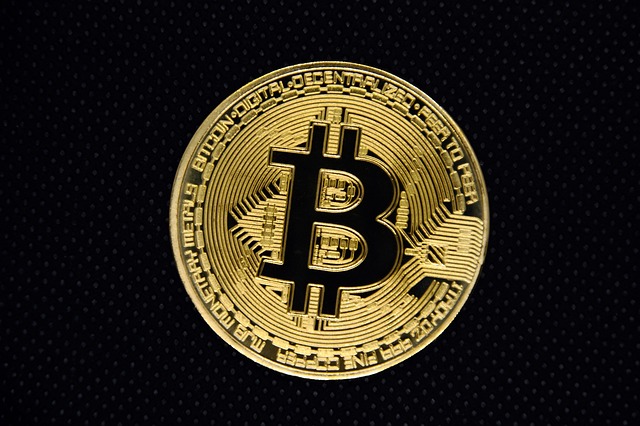
Sentiment Analysis
Negative. The current sentiment reflects the risk aversion stemming from geopolitical unrest, impacting market confidence and investor willingness to allocate funds towards cryptocurrencies.
Sentiment Score: 35/100
Technical Summary
The technical mechanisms underlying the cryptocurrency market’s response to geopolitical events reveal a complex interplay of liquidity and trading algorithms. Smart contracts on platforms such as Ethereum may experience altered transaction volumes as trading strategies shift towards more defensive positions. Enhanced volatility could lead to increased on-chain activity, necessitating a reevaluation of gas fees and network congestion dynamics as users adapt their trading behaviors in real-time.
Background
The current geopolitical environment is significantly shaped by U.S. foreign policy, particularly in the Middle East, which influences global liquidity conditions. The Federal Reserve's ongoing monetary policy adjustments and interest rate hikes are crucial factors in shaping investor risk appetite. The intersection of these macroeconomic elements with the cryptocurrency landscape highlights the sector's vulnerability to external pressures, amplifying market responses to geopolitical instability.
Trend
This event underscores a pivotal moment in the transition towards institutional liquidity and the integration of real-world assets (RWAs) within the cryptocurrency ecosystem. As traditional finance continues to grapple with macroeconomic challenges, the embrace of digital assets by institutions will be closely linked to their ability to withstand geopolitical shocks and demonstrate stability in their investment narratives.
Outlook
In the coming 3-6 months, key performance indicators to monitor include the correlation between cryptocurrency price movements and traditional financial indices, shifts in trading volumes across major exchanges, and the response of regulatory bodies to evolving geopolitical situations. Additionally, attention should be paid to institutional participation levels, as any signs of capital re-entry or diversification into crypto could signal a recovery phase.